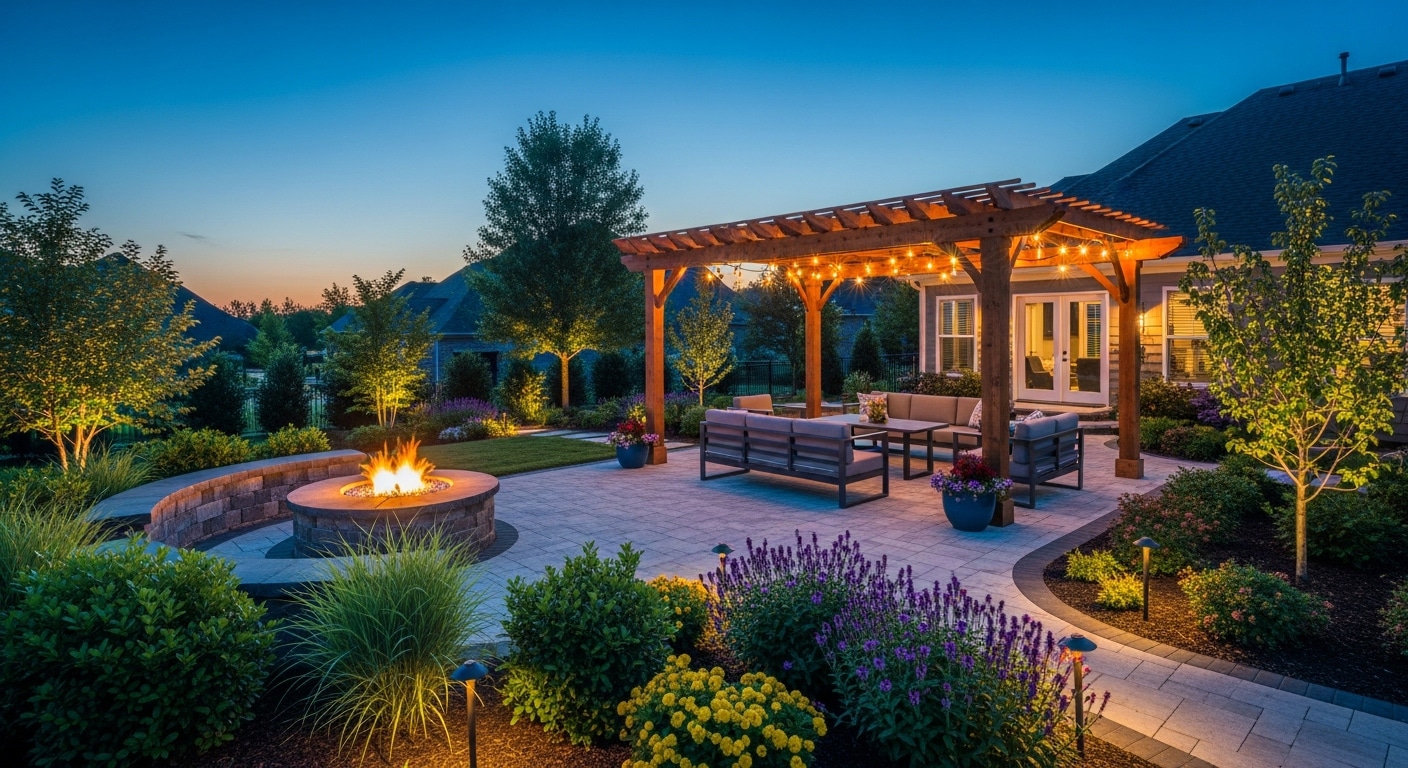
The choice between concrete pavers and stamped concrete for a Tulsa patio is one of the most common material comparisons homeowners make when planning outdoor hardscape projects. Both are concrete-based, both are available in a wide range of colors and patterns, and both can produce attractive finished surfaces. But they perform very differently in Oklahoma’s climate, and the long-term maintenance and repair implications are substantially different. VistaScapes & Design installs concrete paver surfaces throughout Tulsa and understands the Oklahoma-specific factors that influence this comparison.
Crack Performance in Oklahoma’s Climate
Oklahoma’s freeze-thaw cycles and clay soil movement create conditions that cause cracking in rigid poured concrete surfaces over time. Stamped concrete is a solid poured slab — attractive initially, but susceptible to the same cracking that any poured concrete slab experiences in Oklahoma. Once a crack develops in stamped concrete, it is visible and typically runs through the decorative pattern in a way that is difficult to disguise and impossible to repair invisibly. The repair of a cracked stamped concrete surface — whether crack filling, surface overlay, or section replacement — rarely matches the original color and pattern perfectly, and the repair location remains visible. Concrete paver surfaces, by contrast, consist of individual units that move slightly and independently relative to each other, which absorbs the minor soil movement and temperature-driven expansion that causes rigid slabs to crack. If a paver is damaged, it can be replaced individually without affecting the appearance of the surrounding surface.
Color Durability
Oklahoma’s UV exposure — intense direct sun during long summers — degrades color in stamped concrete surfaces more rapidly than in moderate-climate markets. Stamped concrete color is achieved through integral pigment and surface applied color hardeners, both of which are subject to UV fading. The surface must be resealed every one to two years to maintain color and appearance, and even with consistent resealing, color fade is noticeable over five to ten years in Oklahoma’s sun exposure. Concrete paver color is through-body — the color is integral to the entire paver unit, not just the surface. Paver surfaces in Oklahoma fade more slowly than stamped concrete and maintain more consistent color over the life of the installation.
Maintenance Requirements
Stamped concrete requires more consistent maintenance than concrete pavers in Tulsa’s climate. Annual or biannual resealing is essential to maintain appearance and to prevent moisture penetration that accelerates spalling and surface delamination in Oklahoma’s freeze-thaw conditions. Joint sand in paver installations requires periodic reapplication as weather displaces the material, and polymeric joint sand — which sets semi-rigid and resists weed growth — reduces this maintenance frequency. Both surfaces benefit from periodic pressure washing. In our experience building and maintaining outdoor surfaces in Tulsa’s conditions, concrete pavers require less reactive maintenance — they respond well to being cleaned and left alone, whereas stamped concrete requires proactive resealing to avoid visible degradation.
Call VistaScapes & Design at (918) 779-1317 for a free patio surface consultation in Tulsa. We’ll evaluate your site, discuss material options with samples, and deliver a written proposal that addresses the long-term performance realities of each surface type in Oklahoma’s climate.