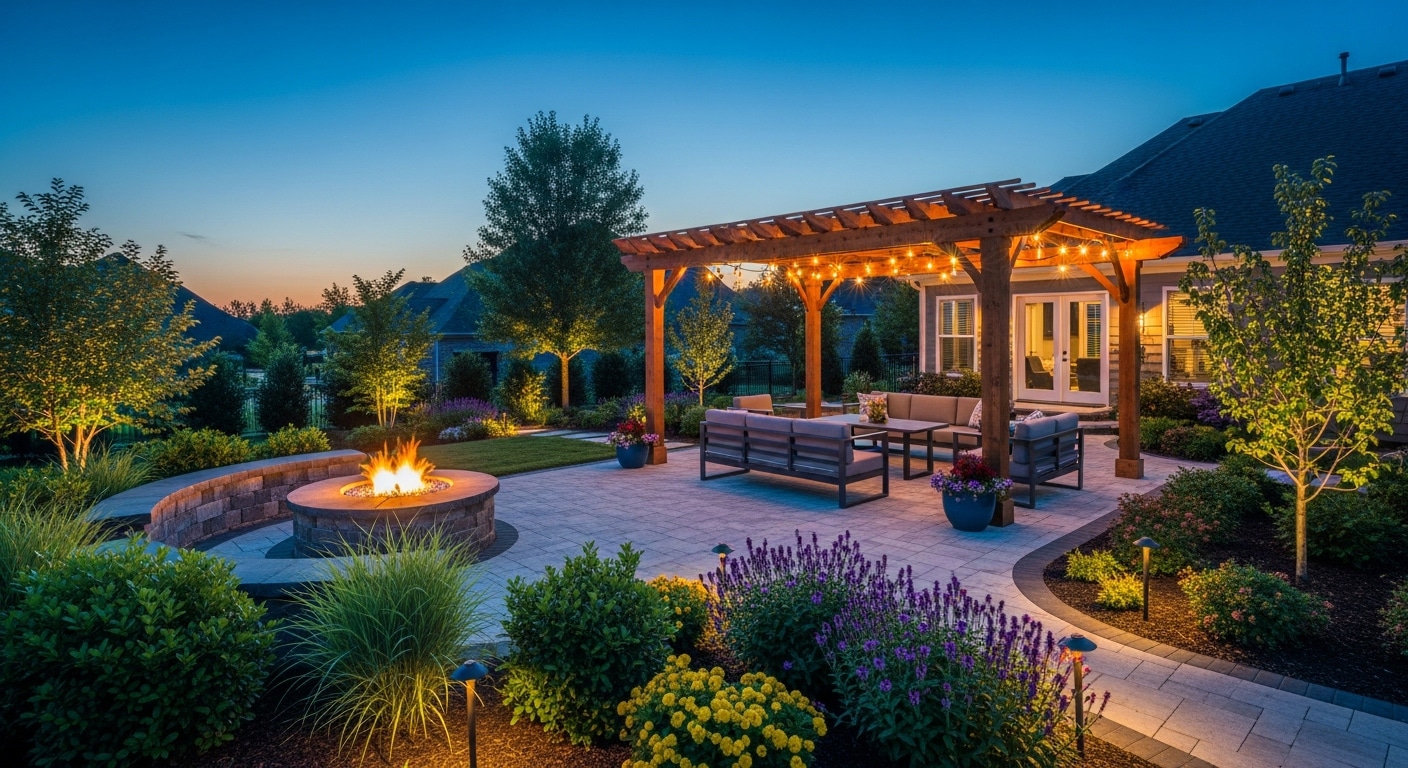
An outdoor kitchen sink transforms how you cook and entertain outdoors. Instead of running inside to rinse vegetables, clean utensils, or wash your hands, you have a fully functional water source right at your cooking station. But choosing the right sink for your Oklahoma outdoor kitchen involves more decisions than most homeowners expect — basin configuration, material, drain setup, and winterization all affect long-term satisfaction. This guide breaks down every major sink option so you can make the right call for your build.
Why an Outdoor Kitchen Sink Is Worth the Investment
The single biggest complaint we hear from homeowners who built outdoor kitchens without sinks is that they’re constantly running back inside. Food prep, cleanup, and guest service all suffer when you’re tethered to your indoor kitchen by water access. A built-in outdoor sink eliminates those trips, keeps your guests from tracking through your home, and makes outdoor cooking feel genuinely self-contained.
Single Basin Sinks
Single basin sinks are the most common choice for outdoor kitchens in the 30–45 inch counter range. A single large basin (typically 16″×18″ or larger) accommodates large pots, oversized cutting boards, and bulky cookware that wouldn’t fit in a divided sink. They’re easier to clean, have fewer crevices where grease and debris accumulate, and tend to drain more efficiently.
Best for: Serious cooks who work with large cookware, pots, and prep items. Great for kitchens where the sink is primarily a utility feature rather than a cleanup station.
Double Basin Sinks
Double basin sinks divide the basin into two compartments — typically equal size (50/50 split) or offset (60/40 split). One side handles food prep while the other handles cleanup or waste. For hosts who are cooking and cleaning simultaneously, a double basin offers better workflow organization.
Best for: Entertainers who use the sink heavily during parties, with one person prepping and another cleaning up. Also ideal if you want a separate ice bucket or beverage staging area in one basin.
Prep Sinks
Prep sinks are smaller bar-style sinks (typically 9″×9″ to 12″×14″) mounted at a secondary station — often at the bar end of the outdoor kitchen or near the beverage center. They’re not meant to replace a full sink but to add a second water access point for drink service, quick rinses, and hand washing without interrupting the cook at the main sink.
Best for: Larger outdoor kitchens with a dedicated bar area or island extension. Adding a prep sink at the bar keeps drink service completely independent from cooking tasks.
Material Options for Outdoor Sinks
- 304 stainless steel — the industry standard for outdoor kitchens. Corrosion-resistant, easy to clean, and matches most outdoor appliances. Look for 16-gauge minimum; 14-gauge for heavy-use applications.
- 16-gauge vs 18-gauge stainless — lower gauge = thicker steel = better durability. Never accept 20-gauge for an outdoor kitchen; it flexes under load and dents easily.
- Granite composite — extremely durable, heat-resistant, and available in multiple colors. Heavier than stainless and requires more careful sealing at the countertop joint to prevent water infiltration.
- Copper — beautiful patina over time but requires regular maintenance to prevent green oxidation in Oklahoma’s humid summers. Typically reserved for luxury builds where aesthetics are the priority.
Plumbing and Drain Considerations for Oklahoma Outdoor Kitchens
Getting water to and from your outdoor sink requires coordination during the construction phase. Running supply lines after the patio is poured is significantly more expensive than routing them during construction. Key plumbing decisions include:
- Supply line type — PEX is the standard for outdoor runs in Oklahoma. It tolerates freeze/thaw cycles better than rigid copper and is faster to install through conduit runs.
- Drain options — you can drain to the municipal sewer (requires a P-trap and connection to an existing drain line), to a dry well (a gravel-filled pit that disperses grey water into the soil), or to a surface drain in the patio. Municipal connection is preferred for heavy-use kitchens; dry wells work for occasional use.
- Shutoff valve placement — always install an accessible shutoff valve inside your home or in the island’s access panel so you can winterize without tools.
- Winterization — Oklahoma winters regularly dip below freezing. All outdoor supply lines must be drained or blown out before the first freeze. Install a frost-free hose bib or an in-line shutoff with drain capability to make this annual task simple.
Faucet Choices for Outdoor Kitchen Sinks
Standard indoor kitchen faucets aren’t rated for outdoor exposure. Choose faucets specifically rated for outdoor use with UV-resistant finishes and stainless or brass construction. Moen, Delta, and Kohler all offer outdoor-rated faucet lines. A pull-down spray head is especially useful for cleaning the basin and rinsing large items. Budget $80–$250 for a quality outdoor faucet.
Frequently Asked Questions — Outdoor Kitchen Sinks
VistaScapes Design & Build incorporates sink planning into every outdoor kitchen design consultation. We’ll help you choose the right basin configuration, route plumbing before the concrete is poured, and set up your outdoor kitchen for easy annual winterization. Call 918-779-1317 to schedule your free consultation in Broken Arrow, Tulsa, Owasso, or anywhere in the metro.