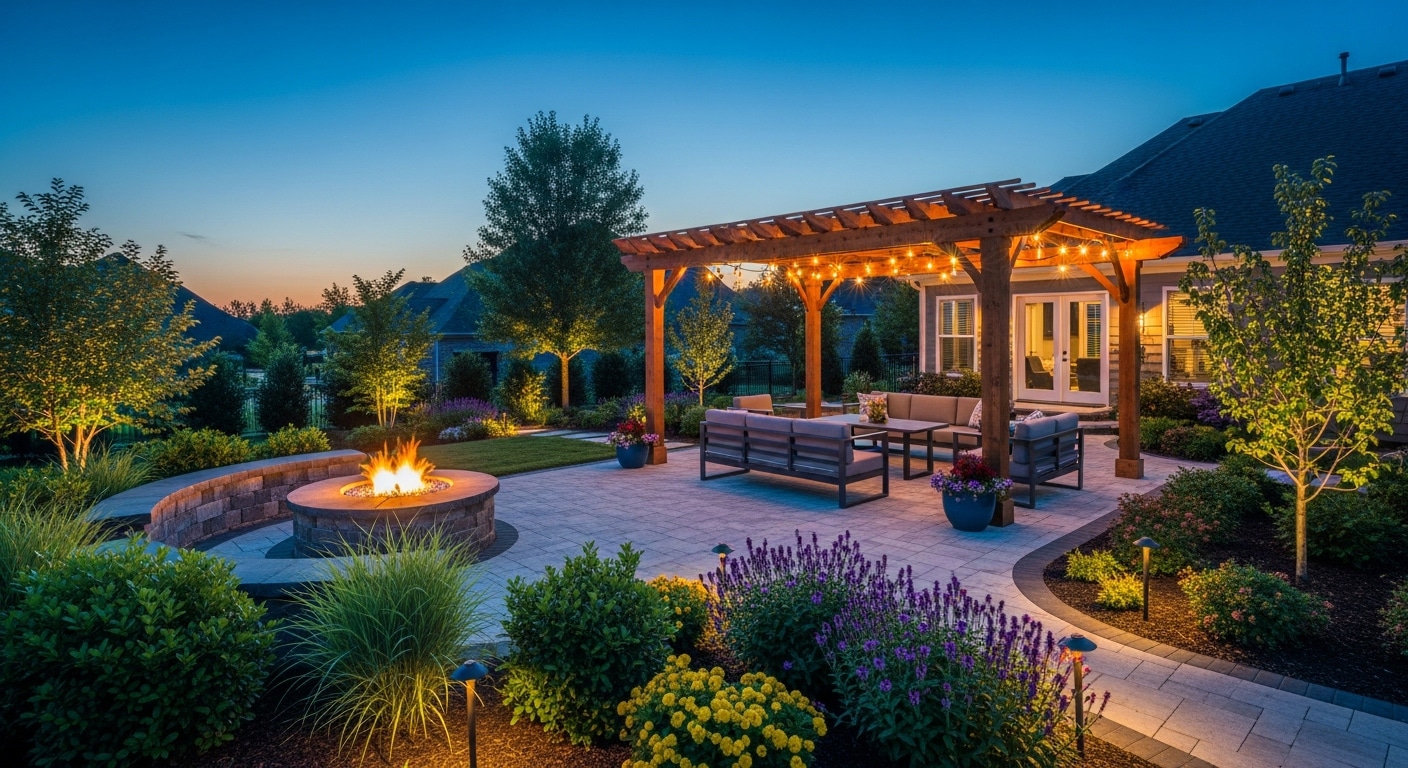
Homeowners in Broken Arrow, south Tulsa, and the surrounding master-planned communities often discover HOA review requirements after they have already talked to a contractor and gotten excited about a design. The CC&Rs (Covenants, Conditions, and Restrictions) that govern most newer northeast Oklahoma subdivisions typically have specific requirements for outdoor structures — and ignoring them can result in costly removal, modification, or legal disputes. Here is how to work with HOA requirements rather than around them.
What Oklahoma HOAs Typically Regulate
In Broken Arrow and south Tulsa subdivisions, HOA architectural review typically covers: structure height and setbacks (often stricter than city code), approved roofing and siding materials that must match the primary residence, color restrictions (particularly for metal structures), fence style and height, and sometimes specifics like outdoor kitchen equipment visibility from the street. The range of restrictions varies enormously — some HOAs in the Broken Arrow area have detailed approval processes, while others have minimal oversight of backyard structures.
Do not assume your HOA has no jurisdiction over your backyard because you have not heard from them before. The absence of enforcement on previous projects in your neighborhood does not mean your project will not be challenged — HOAs are inconsistent, and a newly engaged board or an active neighbor complaint can trigger review of a project that similar projects nearby escaped.
Read Your CC&Rs Before You Design
The CC&Rs are recorded documents attached to your deed. Your title company provided them at closing, and they are also typically available through the HOA management company or the county clerk’s records. Before you spend time and money on contractor proposals, read the relevant sections on exterior modifications, accessory structures, and landscaping. Specifically look for: height limits on outdoor structures, approved materials lists, setback requirements, and the architectural review and approval process.
If the CC&Rs are unclear — they often are, having been written by lawyers decades ago for conditions no one anticipated — contact the HOA management company in writing and ask for clarification before proceeding. A written response from the HOA manager documenting what is and is not permitted is protection against future disputes.
The Architectural Review Process
Most HOAs with meaningful architectural standards have a review committee that evaluates proposed changes. The submission typically requires a description of the project, materials specifications, a site plan showing placement relative to property lines, and sometimes elevation drawings or renderings. Review timelines vary — some HOAs respond within two weeks, others take 30 to 60 days.
Submit your HOA application before pulling city permits, but after you have a solid design. If the HOA requires modifications, you want to know before the permit is issued with specific plans that would need amendment. A good outdoor living contractor will have experience navigating HOA submissions in the Broken Arrow and Tulsa market and can prepare the documentation the committee requires.
Common HOA Approval Strategies
When a desired design element conflicts with an HOA requirement, there are usually design solutions that achieve the same functional goal while meeting the restriction. A pergola that exceeds the height limit can be redesigned at a lower pitch that still provides the coverage needed. An outdoor kitchen with visible stainless steel equipment can be screened with a low masonry wall or privacy panel on the street-facing side. A metal structure that conflicts with materials restrictions can be replaced with a wood or composite alternative.
The goal is to work with the HOA process, not to build first and deal with consequences later. HOAs in Oklahoma have real enforcement tools — fines, liens, and ultimately court orders requiring removal — and the costs of unauthorized construction far exceed the cost of a reasonable design modification at the planning stage.