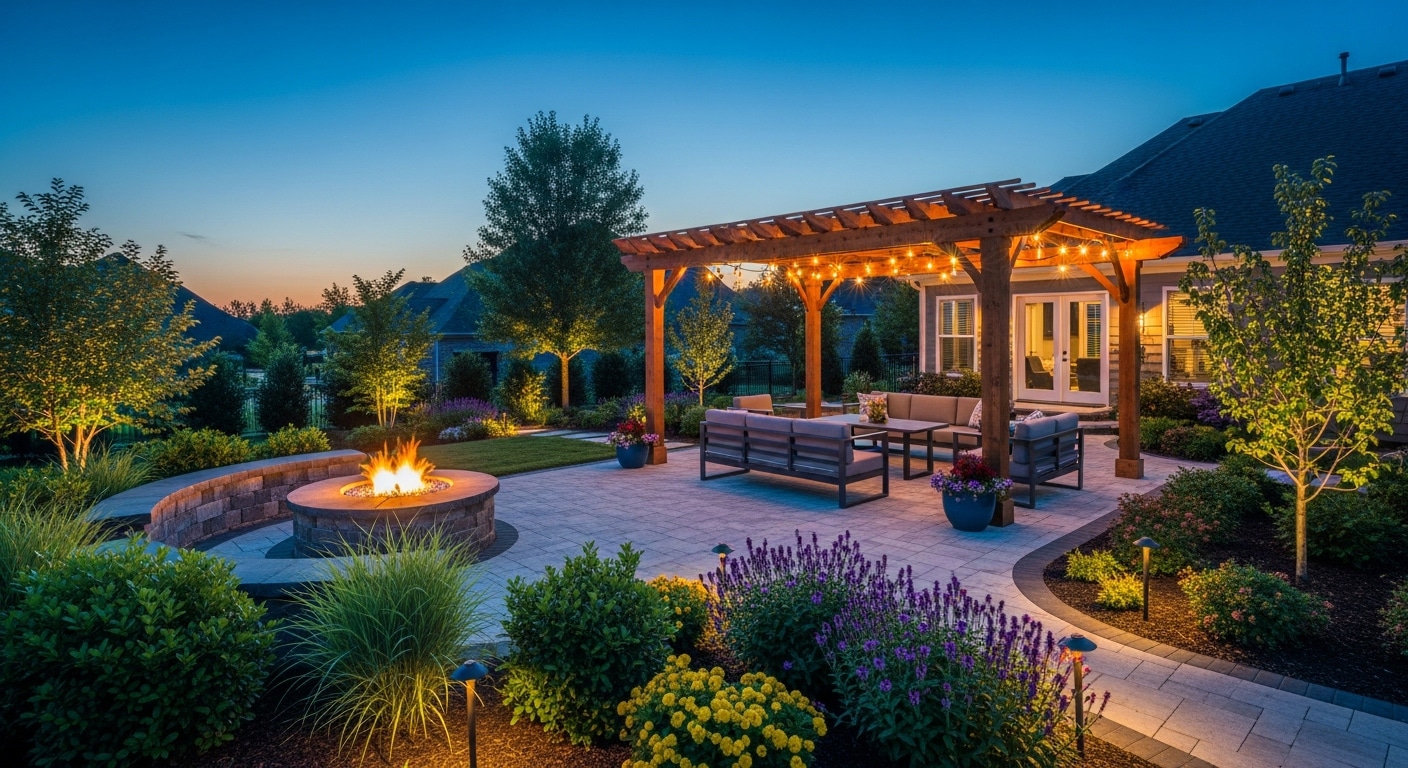
A consistent pattern emerges in conversations with Broken Arrow and Tulsa homeowners who built outdoor living spaces: the most common sentiment is not buyer’s regret — it is regret at having waited. The homeowners who are most satisfied are the ones who built early and used the space for years. Those who delayed consistently wish they had started sooner. Here is what they actually say they missed.
“We waited until our kids were older. They were in college before we built.”
This is the most frequently expressed regret. Parents who imagine they will build the outdoor living space “when the kids are older” discover that older kids have their own lives, their own schedules, and do not spend evenings gathered in the backyard the way younger children do. The family gathering years — when children are between 8 and 16 and the family is naturally home together — are the peak years for outdoor living use. Building the outdoor kitchen, the fire pit, and the covered patio during those years captures the seasons that matter most.
“We kept saying we’d do it next year. It was always next year.”
The perpetual deferral pattern is familiar: next year the budget will be better, next year the project feels more urgent, next year everything aligns. Outdoor living projects in Oklahoma often get deferred for five to ten years after homeowners first seriously consider them. The cost of those years is real — not financial, but experiential. A decade of Oklahoma spring evenings without a fire pit, summer cookouts without an outdoor kitchen, and family gatherings crowded inside rather than spread comfortably across a designed outdoor space.
“We didn’t realize how much we’d use it.”
Many homeowners who build outdoor living spaces are surprised by the extent to which they use them. Oklahoma’s outdoor season runs from March through November — nine months of comfortable outdoor time with a covered and properly designed space. Homeowners who expected to grill on weekends discover they are eating outside four or five evenings a week. Those who planned a casual seating area find themselves hosting three or four times as often as they did when the backyard was just a lawn. The outdoor space changes how the house is used and how time is spent in it.
“We could have built it for the same money years ago.”
Construction costs increase over time. Materials prices in the outdoor living and masonry category increased significantly between 2020 and 2025, and labor costs in northeast Oklahoma have risen with the region’s growth. The $40,000 outdoor living project that was deferred in 2020 has cost more each year it was not built. The homeowners who pulled the trigger when they first seriously considered the project built it for less and used it for more years. This is the financial argument for not waiting — though the experiential argument is equally compelling.
What the Decision Actually Looks Like
The homeowners who built their outdoor living spaces and do not regret it share a consistent decision framework: they decided the time was right based on how they wanted to live, not on whether every condition was perfect. They did not wait for the ideal budget, the perfect timing, or the theoretical moment when all hesitation resolved. They built what they could afford at the time and used it immediately. The outdoor living space that exists and gets used for five years delivers more value than the perfect outdoor living space that never gets built.