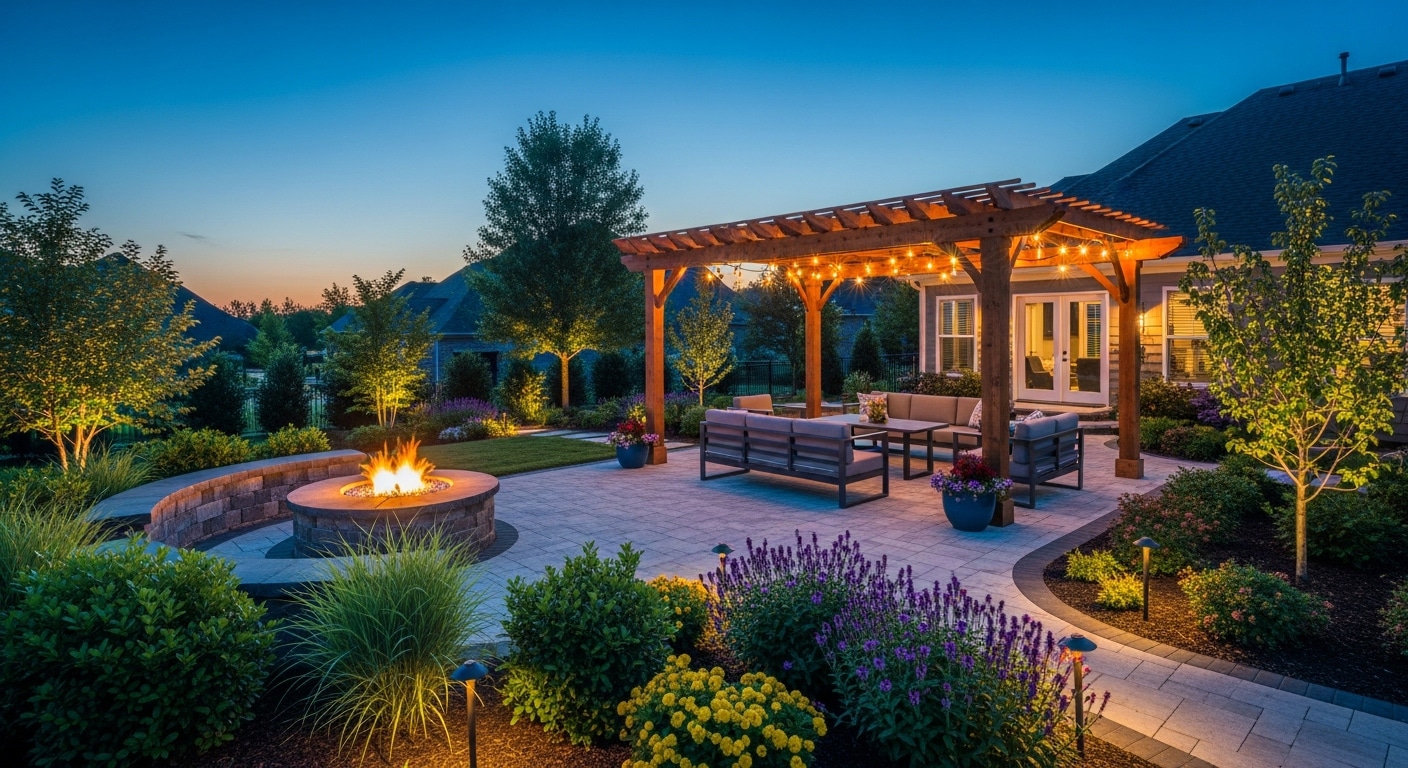
Tulsa’s neighborhoods vary dramatically in character, lot size, age, and the constraints they impose on outdoor living projects. A design approach that works perfectly in a south Tulsa master-planned subdivision is entirely wrong for a midtown bungalow lot, and vice versa. Understanding your neighborhood’s specific context is essential before planning any outdoor living investment in Tulsa.
Midtown and Central Tulsa — Historic Lots, Small Footprints
Midtown Tulsa neighborhoods — Forest Hills, Mayo Meadow, Patrick Henry — feature smaller lot sizes, setback constraints that leave limited buildable backyard area, and in many cases, historic or architectural character guidelines that affect what can be built visibly. The lots in midtown Tulsa average 6,000 to 10,000 square feet, and after the home footprint and required setbacks, the buildable backyard for hardscape and structures is often 600 to 1,200 square feet.
Outdoor living in midtown Tulsa is about maximizing usability within a constrained footprint — a freestanding pergola that spans most of the backyard width, a built-in kitchen along the fence line, and a compact fire feature that creates ambiance without consuming the yard. The design challenge is density: fitting the full outdoor living experience into a space that cannot be expanded beyond the property lines.
South Tulsa — Larger Lots, HOA Oversight, Newer Construction
South Tulsa neighborhoods built in the 1990s through 2010s — Woodland Hills, Jenks adjacent neighborhoods, Union school district areas — feature larger lots (8,000 to 20,000 square feet) with more room for generous outdoor living layouts. Most of these subdivisions have active HOAs with architectural review requirements. Outdoor living projects in south Tulsa typically need to go through HOA approval before permits, which adds two to six weeks to the pre-construction timeline.
The outdoor living scale possible in south Tulsa is greater — 20×30 foot covered patios, full outdoor kitchens, pool adjacent hardscape, and substantial pergola structures are common in this market. The HOA approval process is manageable with a contractor who has experience preparing the necessary documentation and understands the specific architectural guidelines for the relevant subdivision.
East Tulsa and Surrounding Communities — Established Yards, Mature Trees
East Tulsa and the Broken Arrow adjacent neighborhoods feature established yards with mature tree canopies that create both design opportunities and complications. Mature trees provide natural shade that covers outdoor living areas more effectively than any pergola, but their root systems run shallow and extensive — close enough to planned hardscape areas to be damaged by construction and close enough to foundations to affect long-term stability of poured concrete.
Outdoor living design in neighborhoods with mature trees must account for tree root zones when routing drainage and utilities, must allow root system clearance under hardscape areas, and must use design solutions that do not require deep footing excavation in root zone areas. Floating paver systems or low-profile concrete designs that minimize excavation are preferable to deep-poured slabs in root-dense areas.
New Construction Tulsa Metro — Blank Slate, Maximum Flexibility
New construction neighborhoods in the Broken Arrow and Tulsa metro — development areas in Owasso, Bixby, Catoosa, and the outer Broken Arrow periphery — feature new lots with no mature trees, no HOA limitations from legacy construction, and yards that have been graded to code but not yet landscaped. These lots represent the maximum flexibility for outdoor living design, and the right time to plan the outdoor space is during the construction of the home itself, before the backyard grade is established, landscaping is installed, and the opportunity for embedded infrastructure passes.