Covered Patio Materials in Broken Arrow — Aluminum, Wood & Steel Compared
Adding a covered patio to your Broken Arrow home is one of the most impactful outdoor living investments you can make — it extends the usable season dramatically, protects outdoor furniture, and creates a defined living space. But choosing the right structural material matters enormously in Oklahoma’s climate.
At VistaScapes & Design, we build covered patios throughout Broken Arrow and the Tulsa metro using a range of materials. Here’s an honest comparison of the three most common structural options: aluminum, wood, and steel.
Oklahoma’s Climate and Why It’s Hard on Outdoor Structures
Broken Arrow homeowners deal with some of the most demanding weather conditions in the country for outdoor structures:
- Summer temperatures regularly hitting 95-105°F with intense UV exposure
- Humidity swings between extremely dry winters and humid summer thunderstorm seasons
- Hard freezes with ice and snow loading in winter
- Periodic severe thunderstorms and high wind events — Oklahoma ranks in the top states for tornado and severe storm activity
Any covered patio structure in Broken Arrow needs to be engineered with these realities in mind — not just designed for California or Florida conditions.
Aluminum Covered Patio Structures
Overview
Aluminum patio covers and pergolas have grown dramatically in popularity over the past decade. Modern aluminum systems are engineered with heavy-gauge extruded aluminum frames, powder-coated finishes, and in many cases, built-in drainage channels that route water away from the structure.
Pros
- Near-zero maintenance: Powder-coated aluminum doesn’t rust, rot, split, or require periodic staining or sealing
- Consistent appearance: The powder coat finish holds color well and resists UV fading for 15-20+ years
- Lightweight: Easier and faster to install than steel or heavy wood
- Versatile designs: Modern aluminum systems offer louvered roof options that open and close, pergola styles, and solid pan roofs
- Long lifespan: Quality aluminum systems are designed to last 30-50 years
Cons
- Cost: Premium aluminum louvered systems can be expensive upfront
- Industrial appearance: Some aluminum systems look more utilitarian than natural wood — though high-end systems have improved significantly
- Heat absorption: Dark aluminum colors can radiate heat under the structure on very hot days (lighter colors or louvered options mitigate this)
Best For
Homeowners who want a low-maintenance, long-lived covered patio with a clean, modern look. Excellent choice for busy families who don’t want to spend weekends maintaining outdoor structures.
Wood Covered Patio Structures
Overview
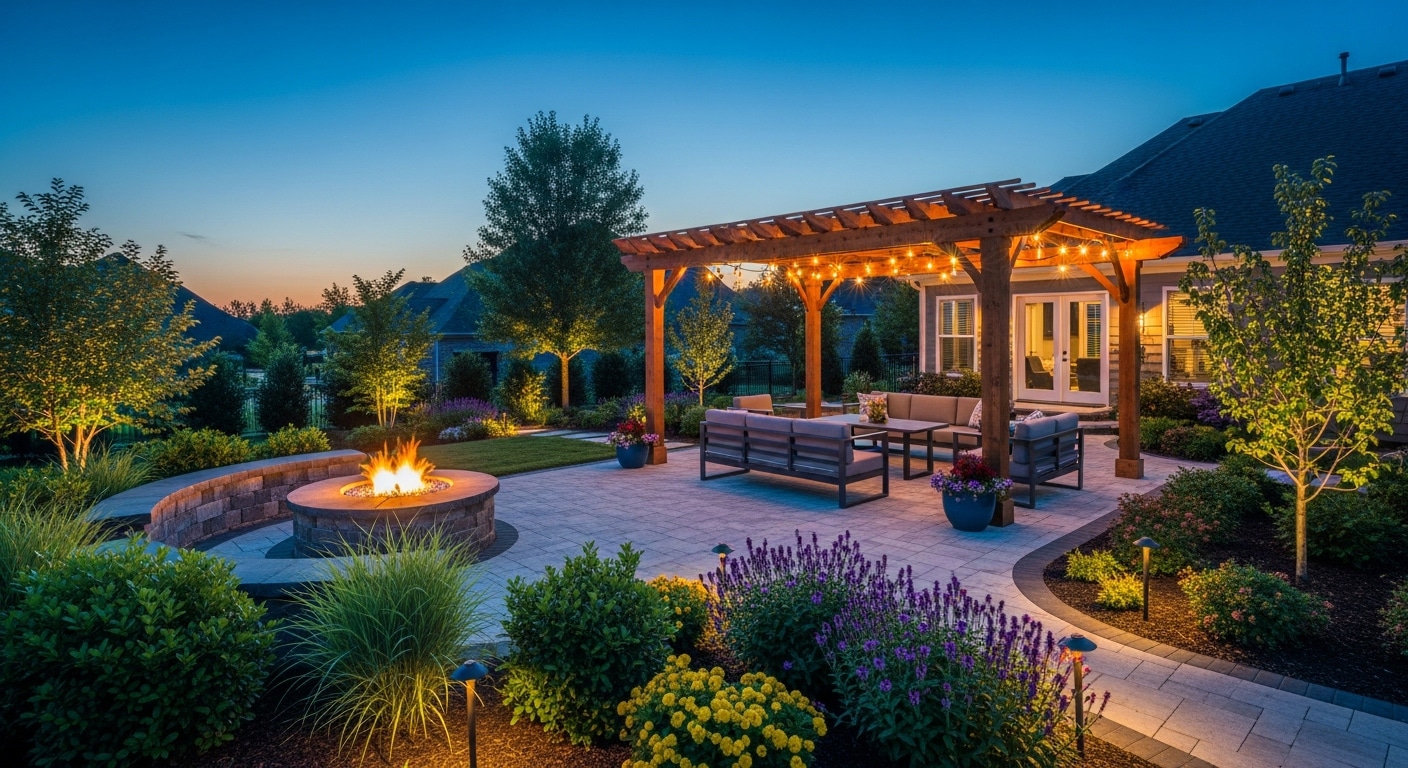
Wood has been used for covered patios for generations, and it remains a beautiful and cost-effective option when properly specified and maintained. The most common wood choices for Broken Arrow are cedar, pressure-treated pine, and Douglas fir.
Cedar
Western red cedar is naturally rot-resistant, dimensionally stable, and takes stain beautifully. It’s a premium wood choice that performs well in Oklahoma. Left unsealed, cedar weathers to a silver-gray patina — still attractive but less protected. Sealed with a UV-blocking penetrating stain every 2-3 years, cedar covered patios can last 20-30 years.
Pressure-Treated Pine
Pressure-treated lumber is the most affordable structural wood option and is chemically treated to resist rot, insects, and fungal growth. Modern PT lumber uses copper-based preservatives that are safer than older formulations. PT works well for structural members (posts, beams, joists) but is typically covered or painted for appearance. It can warp and check as it dries, so using properly dried lumber and allowing for movement is important.
Pros of Wood
- Natural appearance: Nothing matches the warmth and character of real wood grain
- Lower upfront cost: Wood is typically less expensive than aluminum or steel systems per square foot
- Familiar craftsmanship: Most local contractors can work with wood
- Customizability: Wood can be cut, shaped, and detailed in ways aluminum systems can’t match
Cons of Wood
- Maintenance required: Must be sealed or stained every 2-3 years to prevent degradation in Oklahoma’s climate
- Shorter lifespan without maintenance: Neglected wood covered patios can deteriorate within 5-10 years
- Susceptible to insects: Untreated wood can be attacked by carpenter bees, termites, and wood-boring beetles
- Warping and checking: Wood moves with humidity changes, which can cause aesthetic issues over time
Best For
Homeowners who love the natural wood look and are willing to commit to maintenance every 2-3 years. Wood is also a great choice for projects where the detailed craftsmanship (carved beams, decorative corbels, tongue-and-groove ceilings) is part of the design intent.
Steel Covered Patio Structures
Overview
Structural steel is the workhorse of large commercial and industrial construction — and it brings that same structural integrity to residential covered patios. Steel is most commonly used for very large spans, heavy-duty commercial-grade patio covers, or designs where architectural presence is the priority.
Pros
- Exceptional strength: Steel can span much greater distances than wood or aluminum without intermediate posts
- Design versatility: Structural steel can be fabricated into almost any shape, including curved beams and complex geometries
- Longevity: Properly primed, painted, or powder-coated steel lasts decades
- Modern aesthetic: Steel fits perfectly in industrial, modern farmhouse, and contemporary design directions
Cons
- Weight: Much heavier than aluminum, requiring more substantial footings and connections
- Cost: Fabricated structural steel is typically the most expensive material option
- Rust risk: Steel must be properly coated and maintained — any paint failure allows rust to develop, especially in Oklahoma’s humid summer months
- Specialized labor: Not all contractors work with structural steel
Best For
Large-span patio covers, commercial properties, and homeowners who want a bold architectural statement. Also excellent for covering very large outdoor kitchen and living areas where intermediate posts would disrupt the space.
The Roof Cover: What Goes on Top
Beyond the structural frame, you’ll also choose what kind of roof system the covered patio uses:
- Solid pan aluminum roof: Provides full weather protection, insulated options available
- Polycarbonate panels: Translucent panels let natural light through while blocking rain — good for sun-loving plants below
- Metal roofing (corrugated or standing seam): Durable, weather-tight, excellent in Oklahoma hail and wind
- Tongue-and-groove cedar ceiling: Beautiful wood ceiling under a separate roof structure — requires careful weatherproofing
- Louvered roof system (aluminum): Motorized louvers that open for sun and close for weather — premium option for ultimate versatility
What VistaScapes Recommends for Broken Arrow
For most Broken Arrow homeowners, we recommend:
- Primary structure: Powder-coated aluminum for low maintenance, or cedar for homeowners who want natural materials and will maintain it
- Roof: Metal standing seam or corrugated metal roofing for best performance in Oklahoma’s weather — especially hail resistance
- Posts: Set in concrete piers below the frost line (18-24 inches in Broken Arrow) regardless of material
Build Your Covered Patio in Broken Arrow
VistaScapes & Design designs and builds covered patios throughout Broken Arrow, Tulsa, Owasso, Bixby, and surrounding communities. Call us at 918-779-1317 to discuss your project and get a detailed estimate on a covered patio built for Oklahoma’s demands.