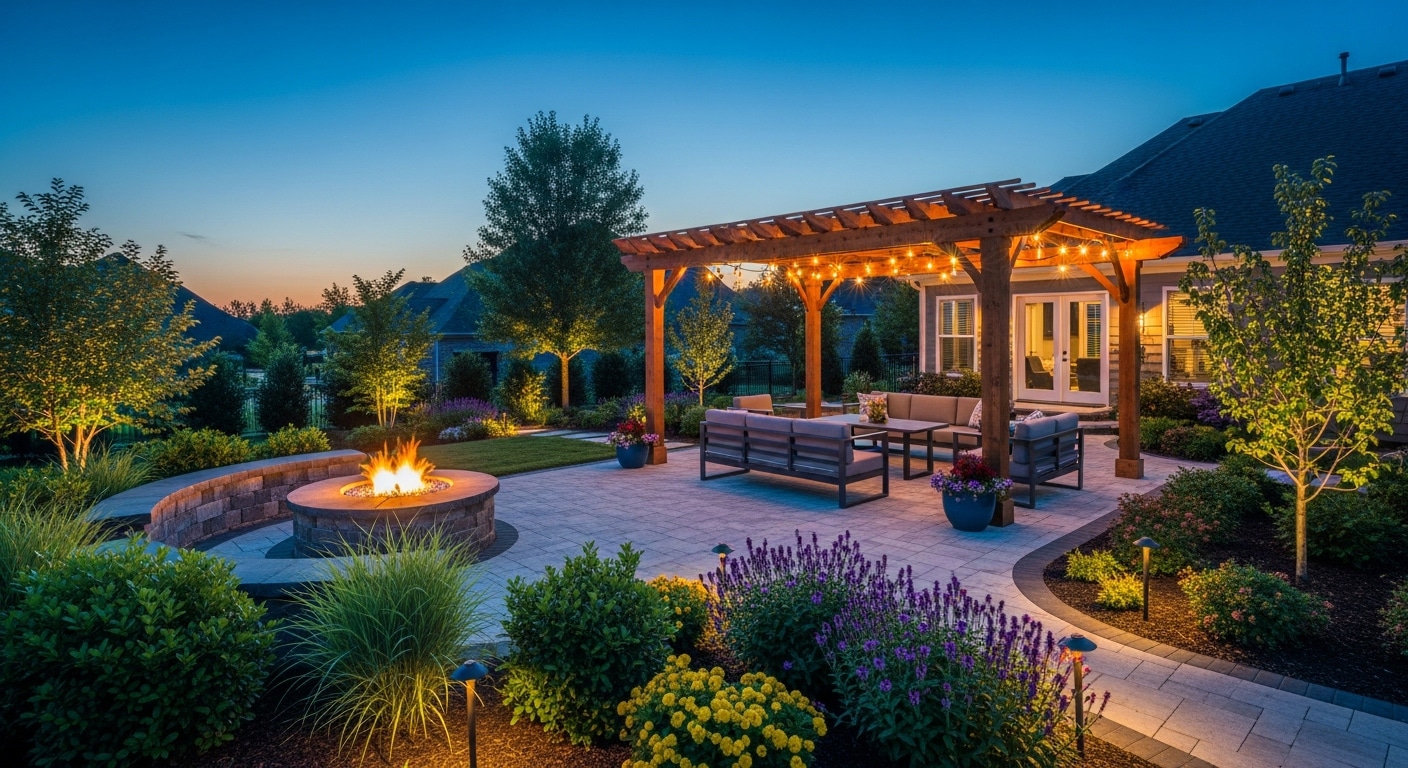
Oklahoma is one of the most demanding climates in the country for outdoor materials. Summer temperatures hit 105°F+, winters bring freeze-thaw cycles, spring storm season delivers hail and straight-line winds, and UV exposure throughout the year degrades anything not rated for it. Here’s what actually holds up — and what doesn’t.
Concrete
What works: Minimum 4,000 PSI mix strength with air entrainment (critical for freeze-thaw resistance), wire mesh or rebar reinforcing at 18-inch centers minimum, proper control joint placement at 1.5× the slab thickness in feet (a 4-inch slab needs control joints every 6 feet maximum), and a penetrating concrete sealer applied after full cure and renewed every 2–3 years.
What fails: 3,000 PSI mixes without air entrainment; slabs poured without reinforcing on clay subgrade; control joints spaced too far apart; no sealing. Cheap concrete poured on unprepared clay soil in Broken Arrow will develop random cracks within 2–5 years.
Stone and Masonry
What works: Oklahoma limestone and flagstone perform exceptionally well — they’re local rock weathered to our regional conditions. Manufactured stone veneer with a proper weather-resistant barrier, drainage plane, and quality mortar. Refractory mortar inside firebox areas (regular mortar spalls under repeated heat cycling). Type S mortar for exterior joints (not Type N, which doesn’t have sufficient compressive strength for exterior Oklahoma exposure).
What fails: Manufactured stone veneer installed without a drainage plane behind it; regular Portland cement mortar used in firebox joints; soft sandstone or other porous stones without proper sealing in freeze-thaw zones.
Wood
What works: Western red cedar is the premium choice for pergola beams, rafters, and fascia in Oklahoma — it has natural oils that resist rot and insects, weathers gracefully, and responds well to staining. Pressure-treated lumber (minimum 0.40 retention rating) for any ground-contact posts and structural members.
What fails: Untreated Douglas fir or pine in exterior structural applications; any lumber in direct soil contact without ground-contact pressure treatment rating; unsealed cedar exposed to Oklahoma’s UV without periodic staining or sealing (will grey and check over time, though structural integrity remains).
Metal Structures
What works: Powder-coated aluminum is the top choice for pergola systems, patio covers, and outdoor kitchen frames in Oklahoma — no rust, no paint failure, no warping. Galvanized steel for structural fasteners and connection hardware. Standing seam metal roofing for covered patio roofs — it handles hail, wind, and heat far better than standard asphalt shingles over time.
What fails: Bare steel in outdoor exposure without significant rust-inhibiting coating; standard hex-head screws and bolts in exterior masonry applications (surface rust stains stone and concrete within 2 seasons); powder-coated items with coating damage left unsealed.
Sealers
What works: Penetrating concrete sealers (silane-siloxane) for patios and driveways — they penetrate rather than film, so they don’t peel; reapply every 2–3 years. Film-forming acrylic sealers for stamped concrete color protection — adds wet look and UV protection; reapply every 1–2 years. Masonry sealer for outdoor fireplace faces and stone features — reduces water absorption and improves freeze-thaw resistance.
Built Right for Broken Arrow
VistaScapes specifies materials for Oklahoma’s climate on every project — not generic regional specs. Call 918-779-1317 for a free consultation and ask us what we’d spec for your specific project and site conditions.