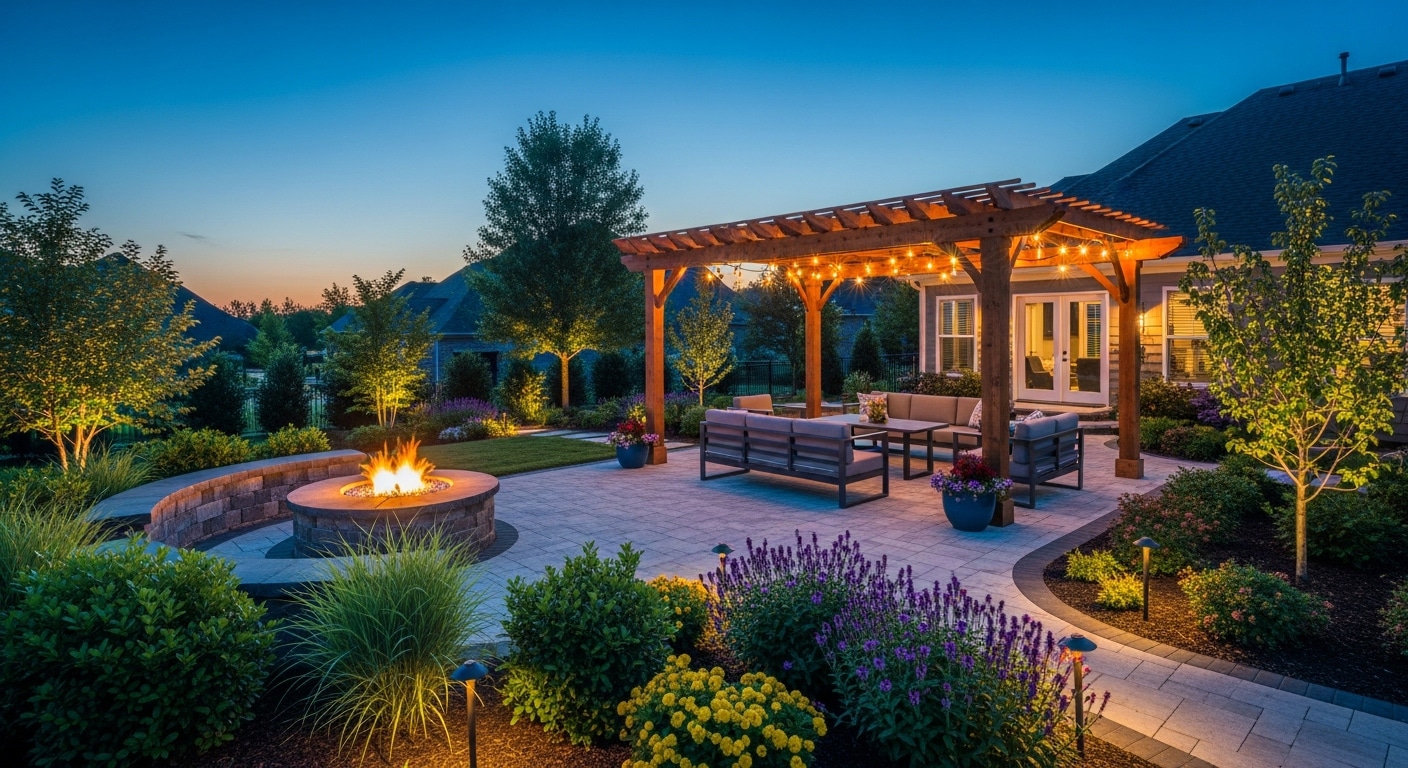
A pergola draped in flowering or foliage climbing plants is one of the most romantic visual statements in an Oklahoma backyard — and one of the most common things homeowners get wrong when they try to achieve it. Oklahoma’s climate is tough on plants: summer heat above 100°F, drought stretches between thunderstorms, and winters that can snap from warm to ice storm in 24 hours. This guide covers the climbing plants that actually thrive in Oklahoma’s conditions and what you need to know about training them on a pergola structure.
Wisteria in Oklahoma — Beautiful but Demanding
American wisteria (Wisteria frutescens) and its cultivars — particularly ‘Amethyst Falls’ and ‘Blue Moon’ — are the most spectacular pergola climbers available in Oklahoma and are genuinely achievable here. Japanese wisteria (Wisteria floribunda) is sometimes sold in Oklahoma nurseries, but its aggressive growth habit and weight load can damage pergola structures over time.
Oklahoma-important notes for wisteria success: the plant needs full sun (6+ hours) to flower reliably — a shaded pergola produces vigorous foliage but sparse blooms. Wisteria is drought-tolerant once established, which makes it well-suited to Oklahoma’s dry stretches. The root system is aggressive — don’t plant wisteria near foundations, plumbing, or underground utilities. American wisteria is less invasive than Asian species and is the better choice for residential Oklahoma pergolas. Plan for annual pruning to keep the plant from overloading the structure and to encourage the flowering spurs that produce the showiest blooms.
Crossvine — Oklahoma Native, Incredibly Tough
Crossvine (Bignonia capreolata) is an Oklahoma native that delivers stunning orange-red tubular flowers in spring and semi-evergreen foliage year-round in most of our climate zone. It’s one of the most underused pergola plants in the state. Crossvine handles Oklahoma heat and drought like a native species should — because it is one. It climbs by tendrils and sticky discs that grip without the aggressive rooting habit of wisteria. ‘Tangerine Beauty’ is a popular cultivar with excellent heat and drought tolerance. Hummingbirds and butterflies are drawn to the flowers. Once established, crossvine requires minimal care beyond annual shaping.
Trumpet Vine — The Workhorse
Trumpet vine (Campsis radicans) is essentially unkillable in Oklahoma — which is both its virtue and its warning label. If you want fast coverage, explosion-orange flowers from June through September, and zero care requirements, trumpet vine delivers. The concern is containment: trumpet vine spreads aggressively by runners, seedlings, and suckers. On a masonry or metal pergola structure, it’s manageable with annual cutting. On a wood pergola, the rootlets that trumpet vine uses for climbing can penetrate and damage wood over time. Best suited for metal or concrete pergola structures or for homeowners who are committed to annual pruning discipline.
Climbing Roses
Climbing roses work beautifully on Oklahoma pergolas when variety selection accounts for our heat and humidity. Oklahoma’s summer humidity, combined with poor air circulation in dense growth, creates black spot and powdery mildew problems on disease-susceptible varieties. Knock Out climbing roses and disease-resistant varieties like ‘Fourth of July’, ‘New Dawn’, and ‘Don Juan’ perform significantly better in Oklahoma conditions than older hybrid tea climbers. Climbing roses are technically canes that need to be tied to the structure — they don’t self-attach. They require more care than native or adapted vines, but the flower display justifies the effort for homeowners who are willing to invest in maintenance.
Grapes on Oklahoma Pergolas
Table grapes trained on pergola structures are both ornamental and productive — and they’re well-suited to Oklahoma’s climate. Muscadine grapes (Vitis rotundifolia) and native American grape hybrids handle Oklahoma heat, humidity, and cold better than European wine grape varieties. ‘Reliance’, ‘Concord’, and ‘Marquis’ are reliable performers in northeastern Oklahoma. Grapes provide dense summer shade, which is a genuine functional benefit for a pergola designed to shade an outdoor living space. They require winter pruning back to the main canes annually and a pergola structure strong enough to support the weight of mature fruiting canes — plan for it in the structural design.
Confederate Jasmine — Fragrance and Evergreen Texture
Confederate jasmine (Trachelospermum jasminoides) is semi-evergreen in most of Oklahoma’s climate and produces intensely fragrant white flowers in late spring. It’s a well-behaved climber that wraps around structures without the invasive characteristics of trumpet vine or aggressive wisteria. It’s hardy to about 0°F, which means it’s appropriate for most of the Tulsa-Broken Arrow area but may suffer winter damage in particularly harsh Oklahoma winters. In zone 7a conditions, it typically bounces back from cold damage. Confederate jasmine on a covered patio pergola near an outdoor seating area creates outstanding fragrance during the May-June bloom period.
Structural Considerations for Climbing Plants on Oklahoma Pergolas
Any climbing plant will add significant weight to a pergola over time — mature wisteria or grape vines can add thousands of pounds of live load to a structure. A pergola designed for a lightweight vine may not handle the load of an established wisteria in year 8. VistaScapes pergola designs account for intended planting when building — oversized posts, deeper footings, and stronger beam connections for pergolas intended to support heavy climbers. If you’re planning to grow substantial vines, tell us at the design phase — it’s far less expensive to build for it than to retrofit a structure that’s inadequate for the load.
Frequently Asked Questions
Building a pergola in Broken Arrow or Tulsa and want to integrate climbing plants into the design? Contact VistaScapes for a free consultation. We’ll design a structure that handles your planting goals and looks great for the long term.