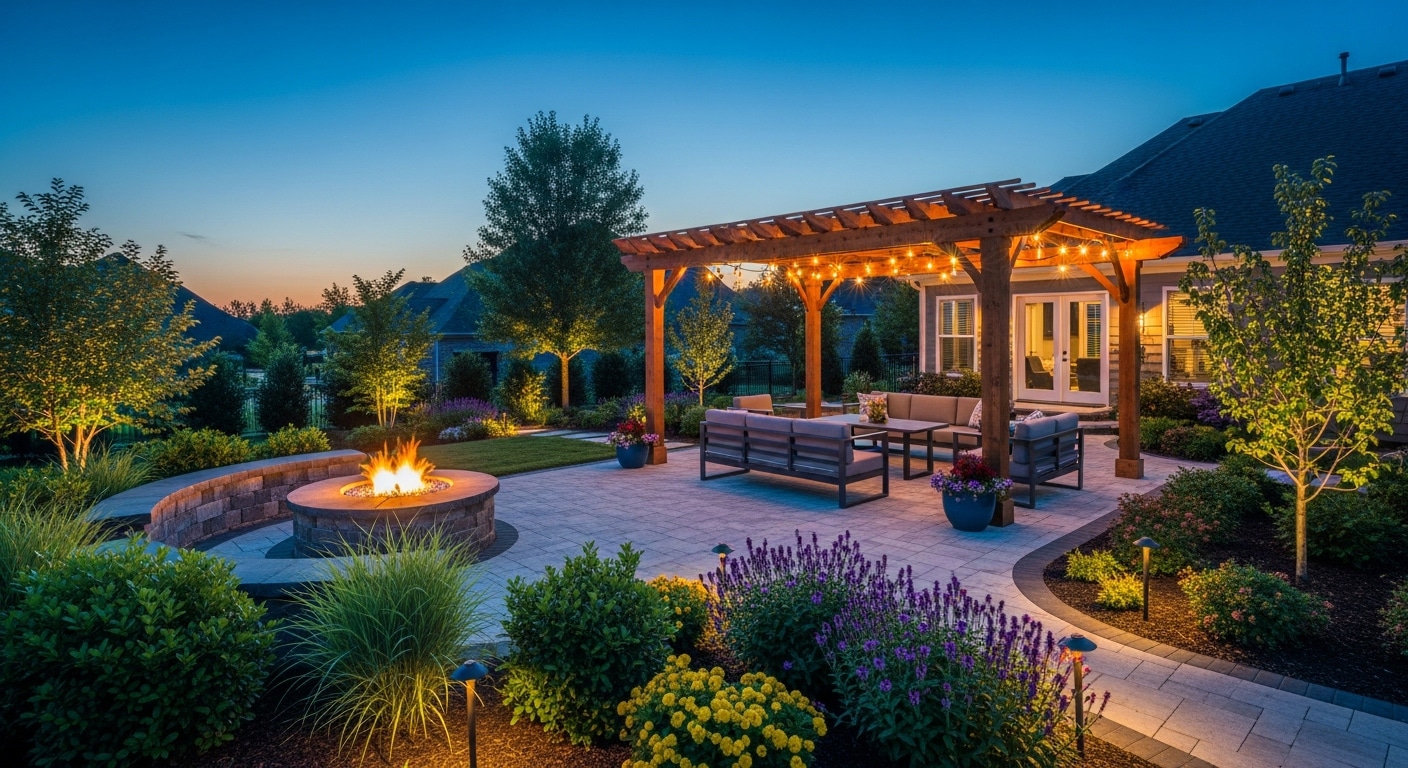
Oklahoma is no stranger to ice storms, severe thunderstorms, and the power outages that follow. Homeowners who invest in outdoor living spaces — especially those with gas lines, electrical systems, and outdoor kitchens already in place — increasingly see a standby generator as the next logical step. A natural gas standby generator uses the same gas supply that feeds the outdoor kitchen, which simplifies installation and eliminates the fuel storage problems of propane. This guide covers how generators interact with outdoor living infrastructure and what to plan for.
Why Natural Gas Generators Make Sense for Oklahoma
Oklahoma ice storms can knock out power for days. A propane generator requires fuel storage and refill logistics — during a prolonged outage, propane delivery can be delayed. A natural gas standby generator draws from the utility gas line, which rarely loses service even when power is out. For homes with natural gas already running to an outdoor kitchen, the generator installation connects to the same supply — typically requiring a larger gas meter and sometimes upgraded service line sizing, but no additional fuel infrastructure. Standby generators also start automatically within seconds of a power outage — no manual setup required.
Placement Considerations Near Outdoor Living Areas
Standby generators cannot be placed under a covered structure — they require open-air placement with specific clearances from the house, windows, doors, and HVAC intakes. The typical minimum clearances are 5 feet from openings (windows, doors) and 18 inches from the house structure — check manufacturer specs and local code for your specific unit. Generator placement near an outdoor living area requires that exhaust is directed away from the patio and prevailing wind is considered. A generator positioned directly upwind of the outdoor living area will push exhaust toward the patio during operation. Work with your contractor to identify a location that satisfies code clearances and doesn’t conflict with outdoor living use patterns.
Gas Line Sizing When Adding a Generator
Adding a generator to an existing gas service requires calculating the total gas load — outdoor kitchen appliances, indoor appliances, HVAC, water heater, and now the generator. A plumber or gas contractor must verify that the existing gas meter and service line can handle the combined load. Most residential standby generators (10–22 kW, which covers most Oklahoma homes) require a 3/4-inch or 1-inch gas supply at adequate pressure. If your existing gas service line is undersized, Oklahoma Natural Gas (ONG) can upgrade the meter — but this takes planning and lead time, not a same-week swap.
Electrical Integration — Transfer Switch
A standby generator connects to your home’s electrical panel via a transfer switch. The transfer switch isolates your home from the utility grid during a power outage and connects the generator — this is a safety requirement, not optional. An automatic transfer switch handles this without manual intervention. The transfer switch installation is electrical work that requires a licensed electrician and an electrical permit and inspection. If your outdoor living space has a subpanel, discuss with your electrician whether it should be on the generator circuit or on a separate circuit that doesn’t transfer during outages.
Noise and HOA Considerations
Modern standby generators are significantly quieter than older units — most 20 kW units run at 60–67 dB at 23 feet, comparable to a normal conversation. However, generators perform weekly self-test cycles (typically 10–20 minutes on a weekday morning) and run continuously during outages. HOAs in some Broken Arrow and Tulsa communities have generator placement or noise requirements — check your CC&Rs before purchasing. Acoustic enclosures and noise-reducing barriers can reduce perceived noise if placement adjacent to outdoor living areas is unavoidable.
Budget for Generator Addition in Oklahoma
Standby generator installation costs in the Broken Arrow and Tulsa area: a 10–14 kW unit covering essential circuits runs $8,000–$12,000 installed. A 20–22 kW whole-home unit runs $12,000–$18,000 installed. These prices include the generator, transfer switch, gas line extension, electrical work, and permits. If gas meter upgrades or service line replacements are needed, add $1,500–$4,000. This is a separate project from outdoor living construction but can be coordinated by a contractor who handles gas and electrical work as part of a larger outdoor living build.