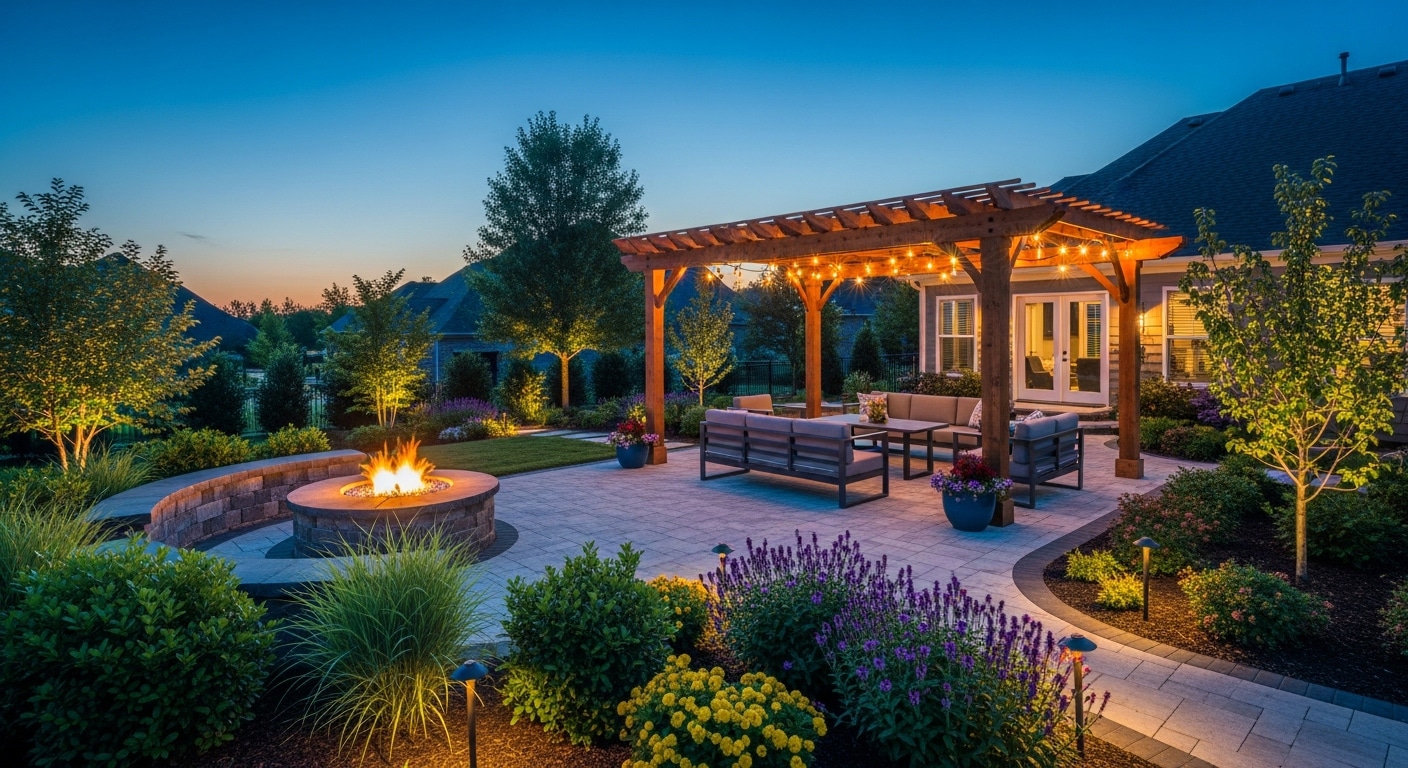
The outdoor kitchen contractor you choose will determine whether your project comes in on budget, on schedule, and built to last — or becomes the expensive lesson you warn your neighbors about. Oklahoma has no shortage of contractors who will take your outdoor kitchen project, but few with the specific expertise to deliver professional results. These 10 questions will help you tell the difference.
1. What frame material do you use for outdoor kitchen structures?
Right answer: Concrete masonry unit (CMU) block for permanent outdoor kitchens.
Why it matters: CMU block is the professional standard for permanent outdoor kitchens. Steel stud frames covered in cement board look fine initially but develop rust, flex, and structural compromise within 5 to 10 years. If a contractor proposes steel studs for a permanent outdoor kitchen, ask why — the answer usually involves lower cost to them, not better performance for you.
2. What appliance brands do you work with?
Right answer: Outdoor-specific brands: Blaze, Coyote, Napoleon, Fire Magic, Lynx, Perlick, True Manufacturing.
Why it matters: Indoor appliance brands are engineered for climate-controlled environments. If a contractor suggests any indoor-grade brand for an outdoor kitchen, they don’t fully understand outdoor kitchen engineering. Premium outdoor brands use 304-grade stainless steel, UV-stable components, and marine-grade materials designed for the Oklahoma climate.
3. Do you pull permits for your outdoor kitchen builds?
Right answer: Yes. All permit requirements are handled as part of our process.
Why it matters: Unpermitted outdoor structures can create title issues when you sell your home, may void your homeowner’s insurance for related incidents, and could require demolition if discovered during a home sale inspection. Any contractor who suggests skipping permits is signaling corner-cutting that likely extends to other areas of the build.
4. What countertop materials do you recommend for Oklahoma outdoor kitchens?
Right answer: Granite, quartzite, or sealed concrete — materials proven in outdoor conditions.
Why it matters: Engineered quartz is not engineered for outdoor use. UV exposure and thermal cycling cause quartz to warp, discolor, and delaminate outdoors. A contractor who recommends quartz for outdoor countertops either doesn’t know this or is steering you toward a cheaper material. Ask them specifically why they choose their recommended material for Oklahoma’s climate.
5. Who handles the electrical and gas work?
Right answer: Licensed electrical and gas subcontractors we coordinate as part of our project management.
Why it matters: Outdoor kitchens require licensed electricians for GFCI circuits and licensed plumbers or gas contractors for gas line work. Verify that your contractor coordinates licensed tradespeople — not handymen — for code-critical utility work.
6. Do you have references from outdoor kitchen projects in Oklahoma specifically?
Right answer: Yes, and we can provide contacts from recent outdoor kitchen builds in the area.
Why it matters: An outdoor kitchen builder who can’t provide local references has either limited experience or clients who weren’t satisfied. Oklahoma’s specific climate requirements — freeze-thaw cycles, summer heat, intense UV, humidity swings — mean local outdoor kitchen experience matters more than general construction experience.
7. What is included in your warranty?
Right answer: A written warranty covering workmanship for at least one year, plus manufacturer warranties on appliances passed through to the homeowner.
Why it matters: Many contractors offer verbal assurances but no written warranty. Get warranty terms in writing before signing any contract. Ask specifically what is and isn’t covered — structural issues, finish material defects, and appliance failures should all be addressed.
8. How do you handle the design process?
Right answer: We develop a detailed design drawing with dimensions, material specifications, and appliance layout before construction begins.
Why it matters: Contractors who build from verbal descriptions or rough sketches introduce expensive miscommunications. A formal design drawing lets you verify dimensions, appliance placement, material choices, and structural details before a single block is laid.
9. What is your payment schedule?
Right answer: Structured draws tied to project milestones — not a large upfront payment before work begins.
Why it matters: Large upfront payments create risk that a contractor won’t perform or will slow down your project to fund other jobs. Professional contractors have material accounts and working capital — they don’t need 50%+ of your project cost before breaking ground. A reasonable structure is a deposit at contract signing, draws at material delivery, structural completion, and final walkthrough.
10. What is your current timeline and crew availability?
Right answer: A specific, honest answer about current backlog and a realistic start date.
Why it matters: The best contractors are busy. If someone can start immediately with no wait list, ask why their schedule is empty. Be wary of contractors who give you a vague start date — get a start week in writing in the contract.
VistaScapes Design Is Ready to Answer These Questions
At VistaScapes Design, we build on CMU block frames, use outdoor-rated appliances, pull all permits, work with licensed trade subcontractors, and provide written warranties on every project. We serve Broken Arrow, Tulsa, and the surrounding Oklahoma area. Call (918) 779-1317 or visit us at 413 N Walnut Ave Suite A, Broken Arrow, OK 74012 to get started with a free consultation.