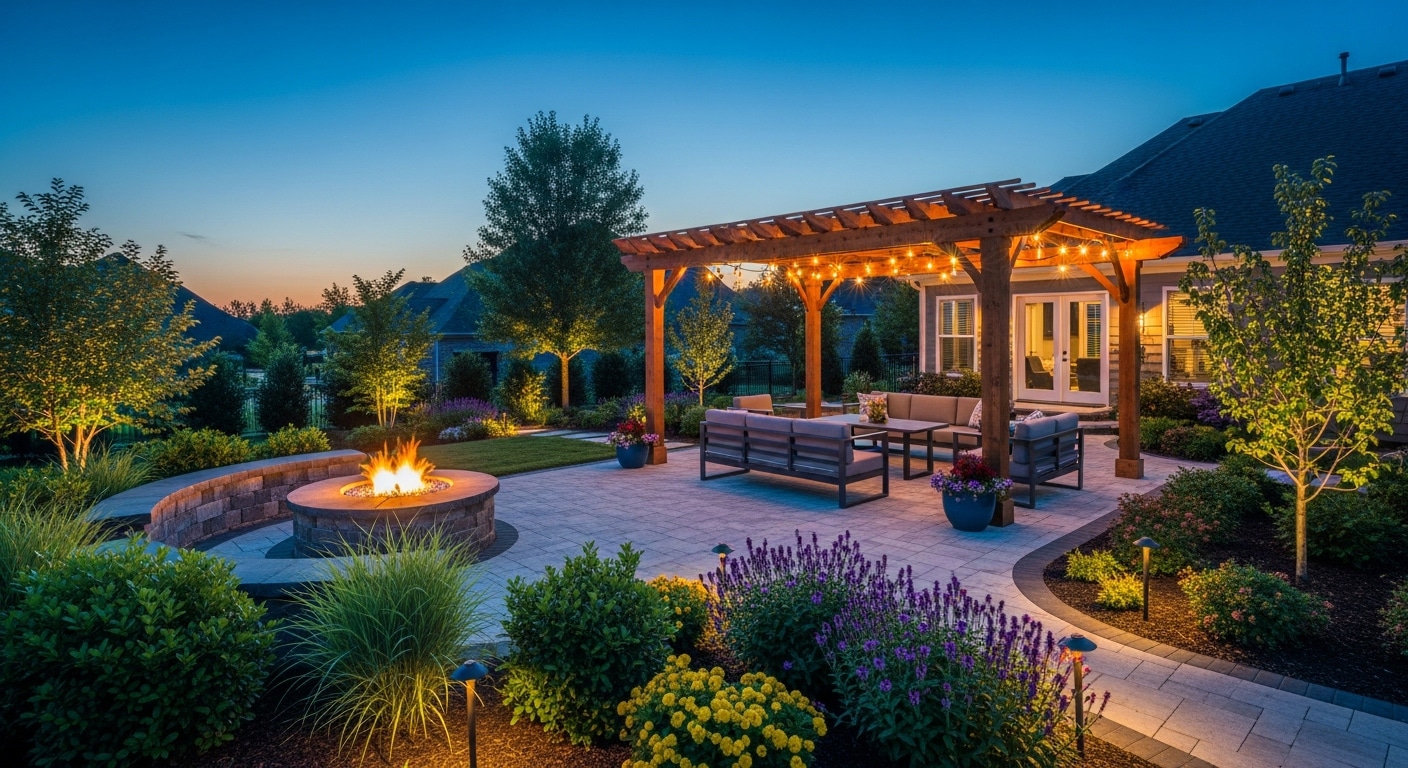
Pergola projects in Tulsa span a wide investment range in 2025, and the price difference between a basic attached pergola and a premium freestanding structure with amenities can be substantial. Understanding what drives pergola cost in Tulsa’s construction market helps homeowners set realistic budgets and compare contractor proposals on an apples-to-apples basis. VistaScapes & Design builds pergolas throughout Tulsa and provides itemized written proposals so homeowners can see exactly what they’re buying.
What Drives Pergola Cost in Tulsa
The primary cost drivers for a pergola in Tulsa are size, material selection, attachment type, and added features. Size is the most straightforward driver — a larger pergola requires more material and more labor, and cost scales roughly with square footage. Material selection matters significantly: cedar pergolas cost less than ipe hardwood; aluminum pergolas that are factory-finished cost more than painted pressure-treated lumber but require no maintenance; vinyl pergolas occupy a mid-range price point with good durability. Attachment type affects both price and permit requirements — attached pergolas that connect to the home’s structure require engineering consideration and permits in most Tulsa jurisdictions; freestanding pergolas are simpler structurally but require their own footing system. Added features — fans, integrated lighting, outdoor shade screens, decorative post details — each add to the base structure cost.
Entry to Mid-Range Pergolas
An entry-level to mid-range pergola in Tulsa in 2025 — pressure-treated lumber or cedar, attached configuration, 12 to 14 feet wide by 12 to 16 feet deep, standard beam and rafter sizing — delivers a functional shade structure over an existing patio. At this price point, the pergola provides partial shade through the open rafter pattern and creates a defined outdoor room without blocking all direct light. This is the most common pergola type built in Tulsa’s residential neighborhoods and suits homeowners who want the pergola aesthetic without the full investment in a covered roof system that blocks weather entirely.
Premium Freestanding Pergolas
A premium freestanding pergola in Tulsa — cedar or ipe hardwood, larger footprint of 16 to 20 feet by 20 to 24 feet, decorative post details, integrated fan beam, and pre-wired electrical — represents a significantly higher investment but produces a structure that serves as a genuine destination in the outdoor living environment. Freestanding pergolas positioned to frame a specific view, anchor a dining area away from the house, or create a garden focal point provide design value that an attached pergola adjacent to the back door cannot. At the premium level, the pergola often becomes the organizational center of a complete outdoor living environment that includes a patio surface, outdoor kitchen, and fire feature.
Pergola vs Covered Patio: Which Delivers More Value?
The pergola versus covered patio question is one Tulsa homeowners regularly ask, and the answer depends on what problem you’re trying to solve. A pergola provides filtered shade and aesthetic structure but does not protect from Oklahoma’s frequent summer thunderstorms — rain falls through the open rafters. A covered patio with a solid roof system provides full weather protection and makes the outdoor space genuinely usable through Oklahoma’s stormy spring and summer seasons. Homeowners who entertain regularly, cook outdoors, or want to use the space through Oklahoma’s spring rain season typically find that a covered patio delivers more usable hours than a pergola at a similar or slightly higher price point. Pergolas excel when the primary goal is architectural framing, garden structure, or shade in a location where weather protection is secondary.
Call VistaScapes & Design at (918) 779-1317 for a free pergola consultation in Tulsa. We’ll discuss your goals, evaluate pergola versus covered patio options for your specific property, and deliver a written proposal with itemized costs.