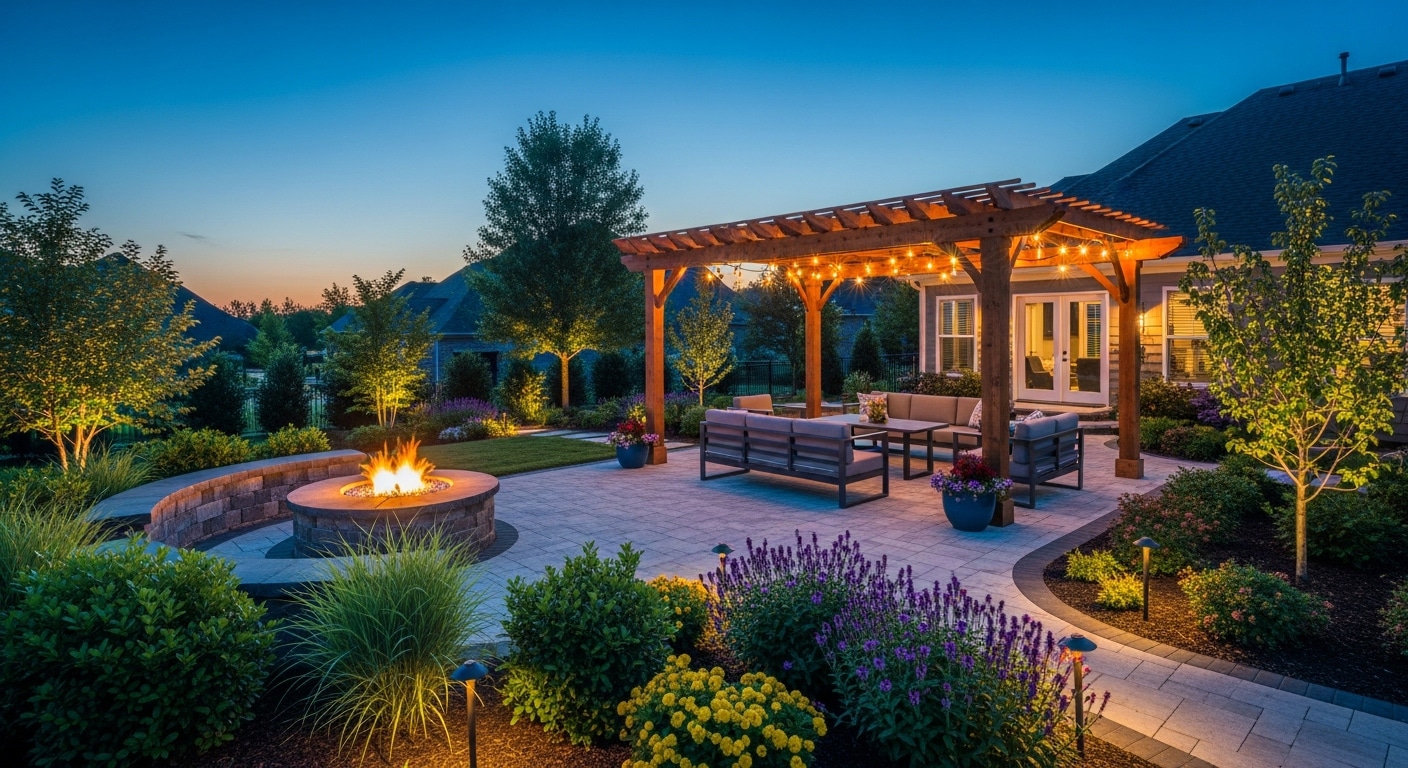
Sealing is the primary maintenance action that extends the life and appearance of outdoor patio surfaces in Oklahoma’s demanding climate — and the right sealing schedule depends on the patio material and how exposed the surface is to Oklahoma’s UV, moisture, and freeze-thaw cycles. Here is the practical guide to patio sealing in northeastern Oklahoma.
Concrete Paver Patios: Seal Every 2-3 Years
Concrete paver patios in Tulsa and Broken Arrow should be sealed every 2-3 years. The sealer protects the paver surface from Oklahoma’s UV fading (unsealed pavers in direct sun can lose significant color saturation within 3-5 years), helps lock polymeric joint sand in place, and makes the surface easier to clean. The best time to seal a new paver patio: wait 90-180 days after installation (allow the polymeric sand to fully cure and the pavers to develop their base color). Subsequent sealings: every 2-3 years in spring, after the surface has been cleaned and dried. Product type: a penetrating acrylic sealer (wet look or natural look finish) is appropriate for most concrete paver applications in Oklahoma.
Stamped Concrete: Seal Every 2-3 Years (Critical)
Stamped concrete requires sealing on the most aggressive schedule of any patio material in Oklahoma — typically every 2-3 years minimum, with some Oklahoma contractors recommending annual resealing on fully exposed surfaces. The reason: stamped concrete’s color and texture are on the surface, not through the material. An acrylic sealer protects the color and the surface texture from Oklahoma’s UV and freeze-thaw. When the sealer degrades (visible as loss of sheen, water no longer beading up), the concrete’s surface becomes vulnerable to salt and UV damage. Unsealed or poorly maintained stamped concrete in Oklahoma fades and develops surface spalling significantly faster than properly maintained surfaces.
Natural Stone (Limestone, Travertine, Flagstone): Seal Every 2-3 Years
Natural stone patio surfaces in Oklahoma should be sealed every 2-3 years with a penetrating stone sealer. Oklahoma limestone is porous and benefits significantly from sealing to resist staining (grill grease, wine, pollen) and to reduce moisture penetration that contributes to surface spalling. Travertine, which is a natural stone with a more porous surface structure, benefits from sealing before first use and every 1-2 years thereafter in Oklahoma’s outdoor conditions. Test any stone surface: pour a small amount of water on the surface. If it beads up, the sealer is still active. If it absorbs quickly, reapplication is needed.
Best Time of Year to Seal in Oklahoma
Spring (March-April) or fall (September-October) are the best seasons for patio sealing in Oklahoma — temperatures should be above 50 degrees and below 90 degrees, the surface should be dry for 24 hours before application, and no rain is forecast for 24 hours after. Oklahoma’s summer heat (100+ degrees) can cause sealer to dry too quickly, creating an uneven application. Winter temperatures below 40 degrees prevent proper sealer curing. Spring application before the outdoor entertaining season and fall application after the summer heat are both practical timing choices.
Call VistaScapes & Design at (918) 779-1317 to discuss patio maintenance and sealing as part of outdoor living construction throughout Tulsa, Broken Arrow, and northeastern Oklahoma.