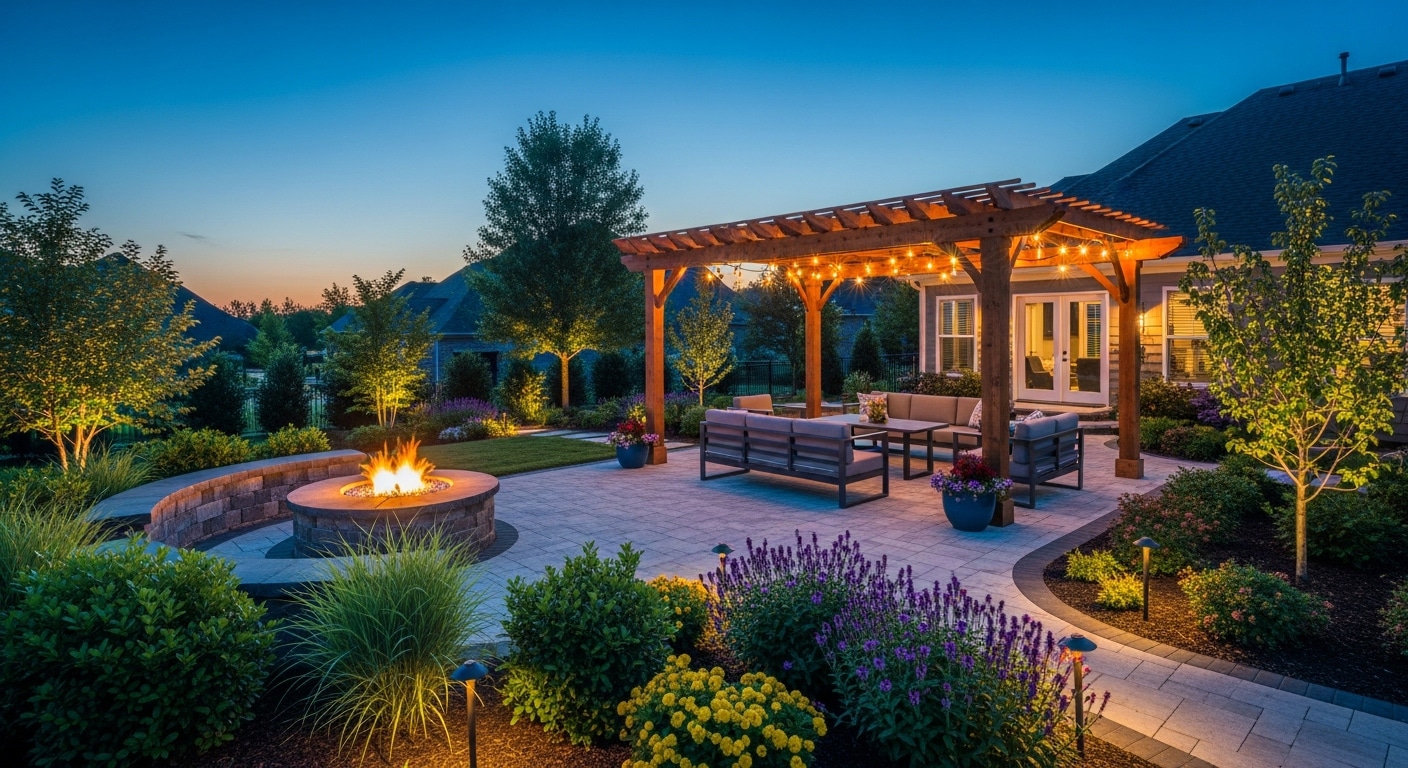
One of the most practical questions homeowners ask before investing in a patio is: how long is this actually going to last? The answer depends significantly on the material, the installation quality, and how well the patio is maintained — especially in Oklahoma’s demanding climate.
Patio Lifespan by Material — Oklahoma Climate
| Material | Expected Lifespan (properly installed) | Common Failure Points |
|---|---|---|
| Concrete Pavers (commercial grade) | 25–50 years | Base failure if improperly installed; individual cracked pavers (easily replaced) |
| Natural Flagstone | 30–100+ years | Freeze-thaw cracking on porous stone; joint failure if not maintained |
| Travertine | 20–40 years with sealing | Staining; effloresce if not sealed; mortar joint failure |
| Brick Pavers | 50–100+ years | Virtually none if on proper base; may need releveling after decades |
| Poured Concrete Slab | 10–25 years before major repairs | Cracking, heaving, spalling from freeze-thaw; difficult to repair without full replacement |
| Stamped Concrete | 10–20 years before reseal/repair needed | Color fading; surface cracking; pattern stamping cracks at same rate as plain concrete |
Why Oklahoma is Hard on Patios
Oklahoma’s climate creates four specific stresses that accelerate patio failure:
- Freeze-thaw cycling: Tulsa averages 20-30 freeze events per winter. Water in porous materials expands 9% when it freezes — repeatedly cracking stone and concrete from the inside over time.
- Extreme summer heat: 100°F+ surface temperatures cause thermal expansion. Improperly jointed patios crack at the weak points.
- Heavy rainfall: 42″ annual rainfall creates drainage challenges. Water that doesn’t drain away properly infiltrates the base and causes settling.
- Clay soil movement: Northeast Oklahoma’s clay-heavy soils shrink and expand significantly with moisture changes — moving the base beneath your patio if not properly engineered.
The #1 Predictor of Patio Lifespan: The Base
We have seen 5-year-old concrete paver patios that look brand new and 3-year-old patios that are already heaving and separating. The difference is almost always the base preparation, not the paving material itself.
A patio that will last in Oklahoma needs:
- Excavation to 6-8″ depth minimum
- 4-6″ of compacted crushed limestone base, placed in lifts
- Proper drainage slope (1-2% minimum away from structures)
- Quality edge restraints that prevent lateral movement
- Adequate joint material to allow minor movement without cracking
A contractor who undercuts your quote by skimping on base depth is selling you a patio that fails in 3-5 years instead of lasting 30+. We have rebuilt enough of these to know exactly what corners were cut.
How to Extend Your Patio’s Life
- Seal porous stone annually: Natural flagstone, travertine, and some pavers need penetrating sealer to prevent moisture infiltration. Apply every 1-2 years.
- Keep joints filled: Polymeric sand or grout joints that erode create channels for water to undermine the base. Refill every 2-3 years as needed.
- Manage drainage: Keep gutters clean so roof runoff doesn’t pool on your patio. Redirect downspouts away from the patio area.
- Address small issues early: A single unlevel paver is a 30-minute fix. Ignoring it for two years means 10 unlevel pavers and a drainage problem.
What We Guarantee
Every VistaScapes & Design patio comes with a one-year labor warranty. More importantly, we build patios correctly from the ground up so you never need to use it. Our base preparation process has produced patios throughout the Tulsa metro that are still perfect after 5, 8, and 10 years.
Ready to invest in a patio that actually lasts? Schedule your free on-site consultation and ask us about our base preparation process. We’ll walk you through exactly how we build so you can compare us against any other quote you receive.